Scrap recovery
Machining scrap is sold on, not dumped
Machining rolls produces large amounts of iron turnings and chips. All of it is collected, graded and sold to re-melters and steel makers — going straight back into new melt instead of landfill.
 ApexRolls
India Pvt. Ltd.
ApexRolls
India Pvt. Ltd.
Sustainability · Responsible foundry
A foundry runs on iron, sand, water and power. We treat all four as things to be kept in the cycle, not thrown out of it — that is how a workshop stays viable for three decades, and how it stays a good neighbour.

Our practices
Scrap recovery
Machining rolls produces large amounts of iron turnings and chips. All of it is collected, graded and sold to re-melters and steel makers — going straight back into new melt instead of landfill.
Roll buy-back
Worn and rejected rolls are excellent furnace charge. We buy back end-of-life rolls from customers and re-melt them, closing the loop on our own product.
Sand reclamation
Foundry sand is reclaimed after each casting cycle, reconditioned and returned to the moulding line — only the fraction that can no longer be reconditioned is replaced.
Water
The water that cools our casting and machining operations is recirculated on site rather than drawn fresh and discharged — a settled, reused loop with minimal top-up.
Energy
Melt schedules are batched and charges planned so metal is melted once and poured once. Getting the chemistry right the first time is the biggest energy saving a foundry can make.
Community
We hire and train in Malerkotla and source locally where we can — short supply lines, less transport, and three decades of skills kept in the city of rolls.
Why it matters
Cast iron is one of the most recycled materials in the world, and a chilled roll spends its whole life inside that loop: it is cast largely from re-melted iron and steel, works for years in a mill, and when its campaign ends it goes back to the furnace as charge for the next generation. Our job is to keep that loop tight — inside our own works and for our customers — so that the material cost of every tonne rolled keeps falling.
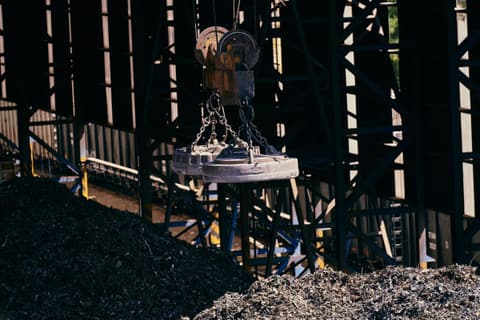
Closed loop
Worn rolls and foundry returns go back into the melt, so the same iron can serve mill after mill.
We buy back end-of-campaign rolls and sell machining scrap to re-melters — get in touch.